Ten Field Lessons From a 2026 Minecraft Legends Veteran
Rook did not teach Tess to survive Minecraft Legends with a lecture; he taught her with mud on her boots, a map folded like a secret, and the patience of someone who had lost too many villages to Piglins. By 2026, the game's late-era community still swaps these field lessons, because the world remains a pressure cooker of strategy, survival, tower defense, and sudden chaos. The veteran and the newcomer stood at the edge of a blue portal one evening, and Rook began with the first truth: villagers are not scenery. They are leverage.

The First Harvest Is People
Tess assumed the opening hours were about gathering wood and stone. Rook corrected her. The first harvest was villagers. Every cage opened, every trapped villager freed, and every settlement brought back into the light made the whole map breathe easier. More villagers meant faster resource trickles, better chest outcomes, and a wider safety net when Piglins came calling. Rook called it building a chorus instead of a solo. The newcomer learned to roam early, free villagers wherever she found them, and treat every rescued face as a small investment that would pay back in iron, stone, and survival.
Early Mobs: Zombies and Skeletons
Rook's next lesson was about recruitment. New players chase whatever looks flashy, but the veteran knew that zombies and skeletons are the backbone of an early army. Zombies absorb punishment like a worn shield, while skeletons send arrows over walls and turn open battles into a lopsided affair. The table below was scratched into Tess's notebook.
| Early recruit | Why it earns a slot |
|---|---|
| 🧟 Zombie | Soaks damage and holds a line while other units work |
| 🏹 Skeleton | Fires over walls and punishes clusters from range |
| ⭐ Legendary mobs | Worth grabbing when they appear, but not at the cost of the basics |
Rook told her to ignore most other distractions until those two were part of the mob. The early game was not a parade. It was a foundation.
Creepers Against Red Hordes
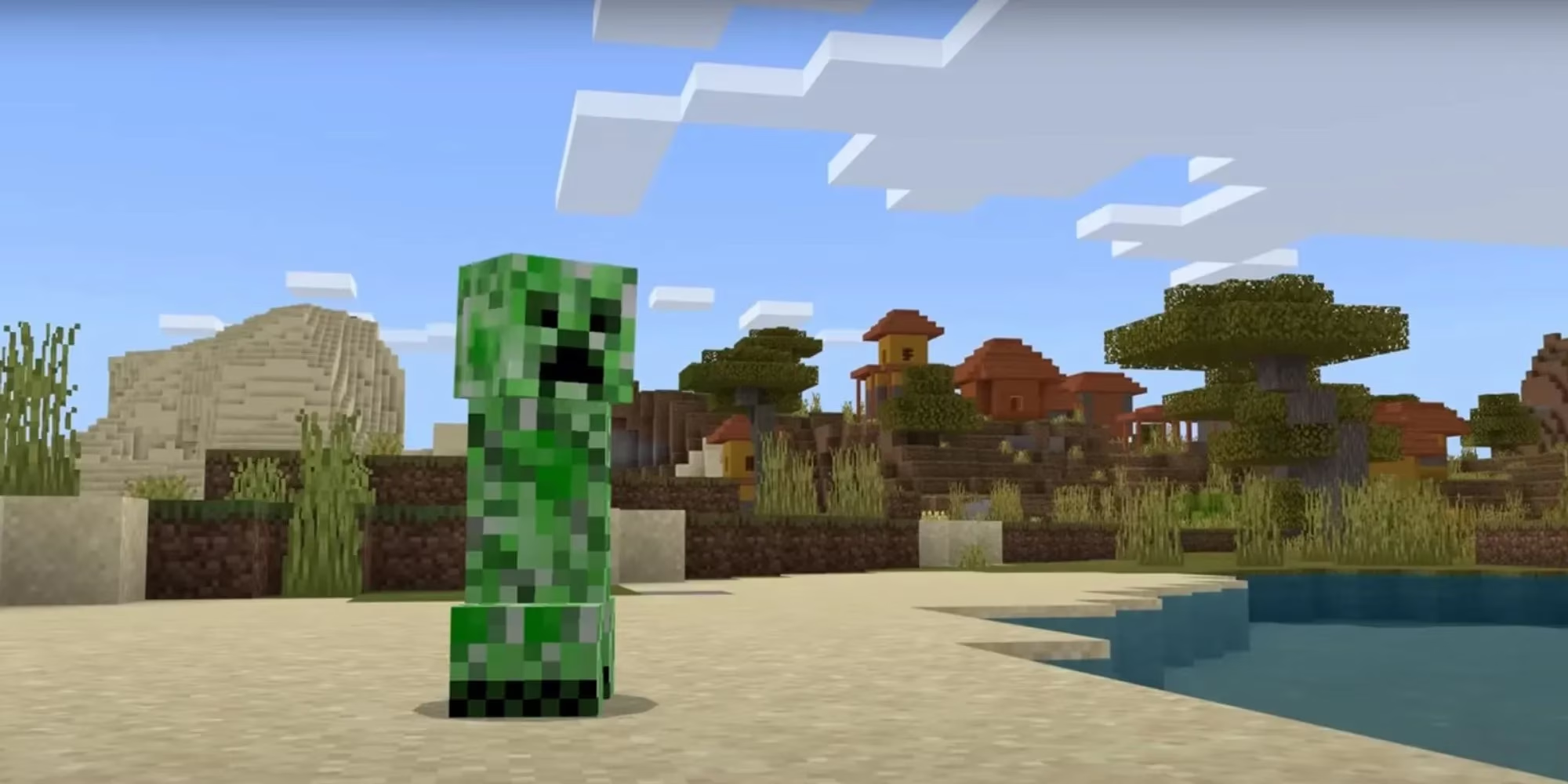
When Tess spotted a Red Horde base, she wanted to retreat and plan. Rook grinned. Creepers against a Red Horde are a sudden thunderclap in a quiet argument. The Red Hordes are offense-minded and thin on defense, so a Creeper pack escorted by a fast Tiger mount can blitz through their ranks and reach the portal before the enemy finds its footing. The tactic is not subtle, but it is consistent. Rook warned her to target the portal and keep moving, because hesitation turns a thunderclap into a warning shot.
The Map Is a Weapon
Tess treated the map as a travel aid. Rook treated it as reconnaissance. Zooming into the map reveals Piglin bases and mines, which changes route planning from guesswork into chess. A map zoomed at the right moment is a cartographer reading tea leaves in a storm. The veteran used it to avoid patrols, mark targets, and decide which villages needed attention first. The newcomer learned that exploration is not only about wandering; it is about seeing the board before the enemy does.
Kill Objectives and Small Piglins
When a village objective demanded Piglin kills, Tess aimed for the biggest brute in sight. Rook stopped her. The game spawns more Piglins than the objective requires, so the efficient path is to focus the smaller ones. They fall faster, cost fewer resources, and complete the count while the heavy hitters lumber around. It felt less heroic, but heroes who waste resources do not stay heroes for long.
Question Marks Are Invitations
Rook never ignored a question mark on the map. Those markers hide bonuses, buffs, new mounts, and sometimes mobs that become long-term assets. Tess initially saw them as side content; Rook saw them as shortcuts to power. The lesson was simple: curiosity is a resource, and in Minecraft Legends it is often a renewable one.
Wellhouse Placement
A Wellhouse is a respawn beacon and a fast travel point, but Rook used it like a heartbeat stitched into the map. Placing one between two villages shortened response time when either settlement was overrun. Placing another near mob villages created a quick farming loop and a safe return point. The newcomer learned that placement is not decoration. It is logistics.
Walls Around Villages
Any village Tess freed was vulnerable when she left it. Piglins did not wait for an invitation. Rook showed her how to ring settlements with walls, even double walls when the area allowed it. The walls bought time, preserved villagers, and turned panic defenses into manageable skirmishes. Better still, walls could be deconstructed later, so the investment was never permanent. It was insurance with a refund policy.
Portals and the Boss Warning
Rook saved his sharpest warning for portals. The Cure Netherrack ability can place Redstone Launchers near enemy portals, letting a player damage them from elevation and safety. That tactic is excellent against tougher enemies. But destroying too many portals can spawn a boss far above the player's level, especially near villages. The veteran taught Tess to annihilate with purpose, not appetite. Break portals when the timing is right, and never let momentum become a trap.
Healing and Debuff Clearing
Tess already knew that damage heals over time. Rook taught her to accelerate the process by using Blue Portals, and to clear debuffs with Mossy Golem Spawners when no portal was close. The difference between a good run and a disastrous one often came down to recovery speed. A player who heals like a pro returns to the fight before the enemy can reset.
By the end of the evening, Tess had not mastered Minecraft Legends. She had something better: a field map of its systems. Rook closed the notebook and looked toward the dark horizon, where Piglin fires flickered. In 2026, the world still rewards players who free villagers early, recruit smart mobs, read the map, place Wellhouses with intent, wall their settlements, and heal before pride makes the decision for them.
Comments Area