Open World Games That Let Players Shape Their Own Adventures
You know that feeling when you step into a massive open world and realize you can do almost anything? That’s what got me hooked on video games years ago. But what really keeps me coming back in 2026 is when the developers trust me enough to build my own toys inside their sandbox. User-generated content, or UGC, is the secret sauce that turns a great open-world game into an unforgettable one. From custom quests to entirely new ways to play, the games that embrace player creativity tend to outlive their hype cycles and stay installed on my console for years. Let me share a few titles that have mastered this – they’re the ones I still fire up when I need a break from factory-made AAA experiences.
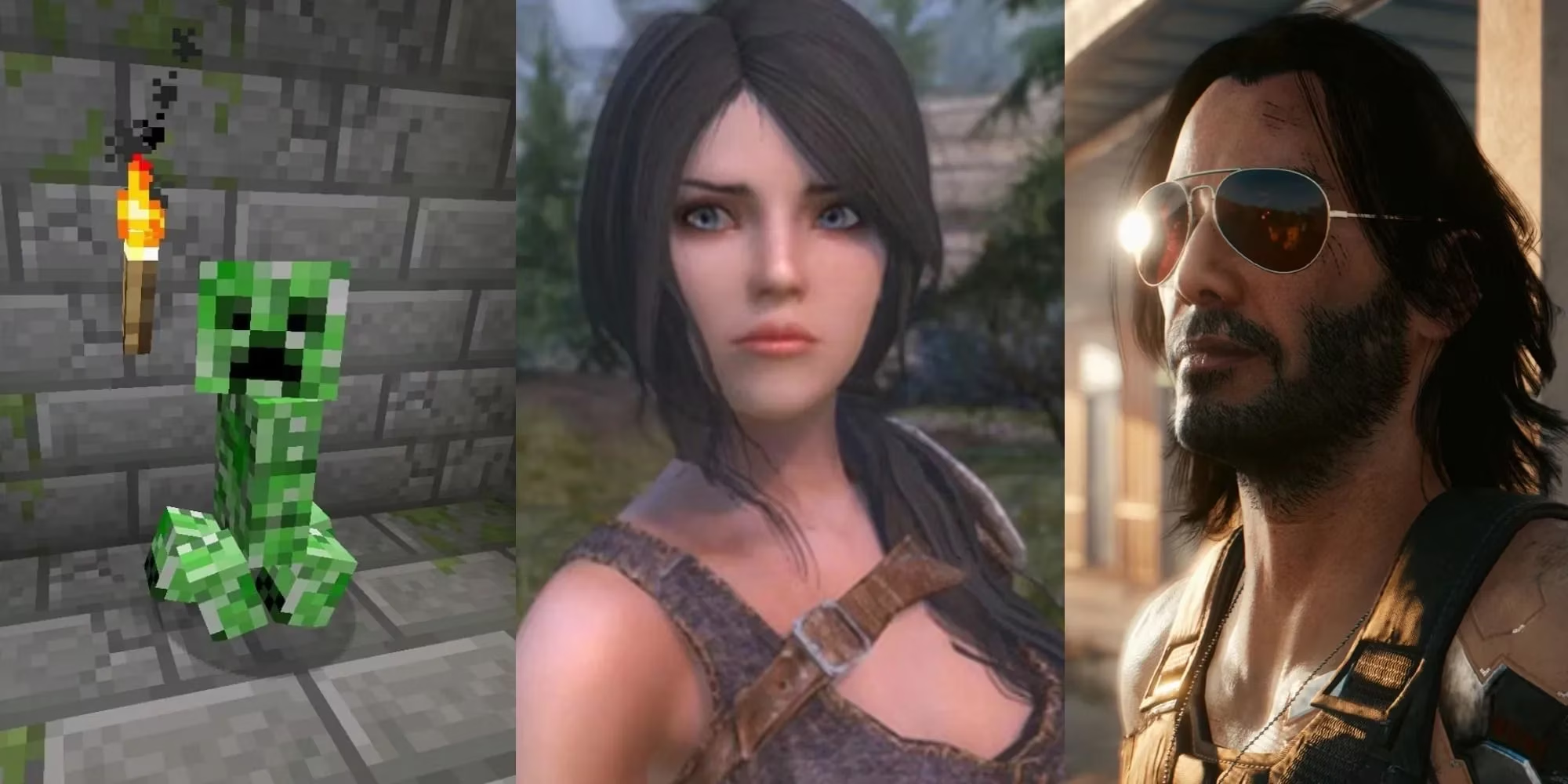
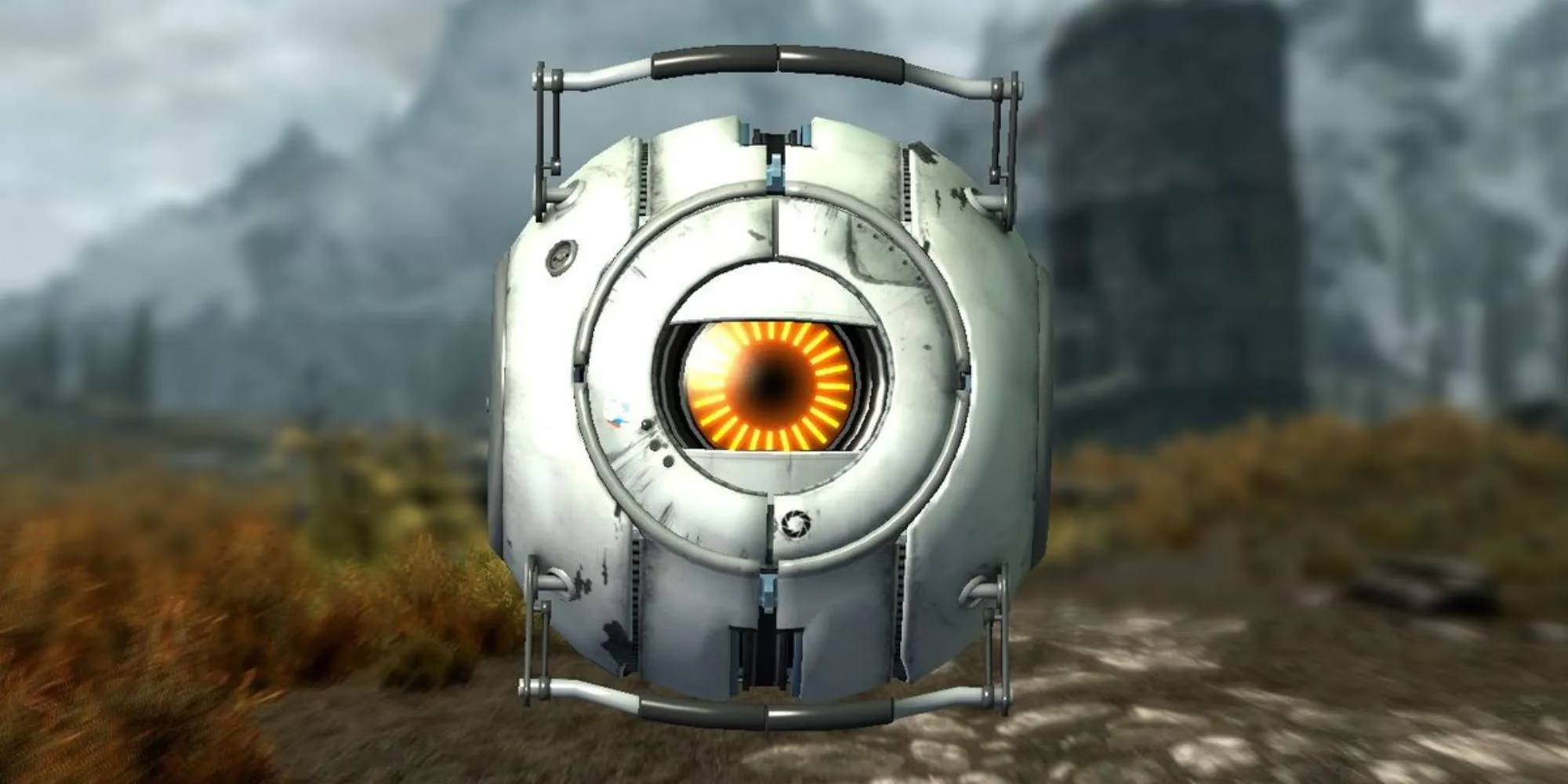
The Elder Scrolls V: Skyrim – I bet you knew this one was coming. It released way back in 2011, but even in 2026, I can’t go a month without seeing a jaw-dropping new mod pop up. My journey with Skyrim started on an old Xbox 360, and now I’m still playing it on my latest rig with an almost unrecognizable visual overhaul. The modding community here is legendary. I’ve added survival mechanics, turned dragons into Thomas the Tank Engine (don’t ask), and even played through entirely new storylines crafted by fans. What amazes me is how Bethesda gave modders official tools early on and then ended up hiring some of them for future projects. It’s open-world UGC done right: the base game is awesome, but the endless customisation makes it eternal.
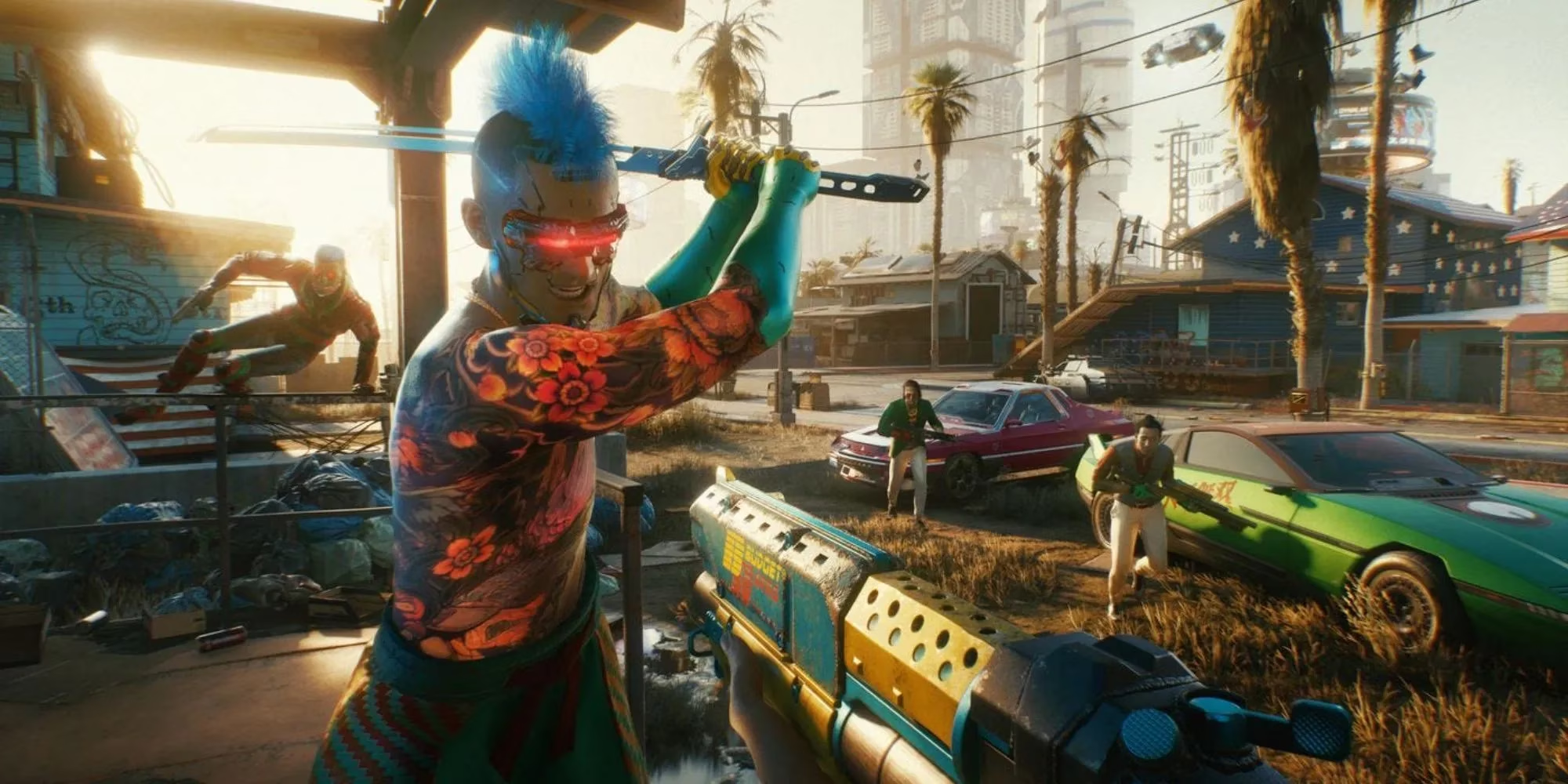
Cyberpunk 2077 had a bumpy launch, but I’m glad I stuck with it. Fast forward to 2026, and the game feels like a completely different beast – partly thanks to colossal official updates, but also because of the player-driven add-ons. I’ve installed QoL mods that fix every little annoyance I had, like better vehicle handling and a working metro system long before the devs added one. Some modders even weave fresh story arcs and romance options into Night City. What strikes me is that for many players, user-generated content has become almost mandatory to unlock the game’s full potential. Whether it’s a simple cosmetic reskin or a whole gameplay overhaul, Cyberpunk 2077 now lives and breathes through its community’s creativity.
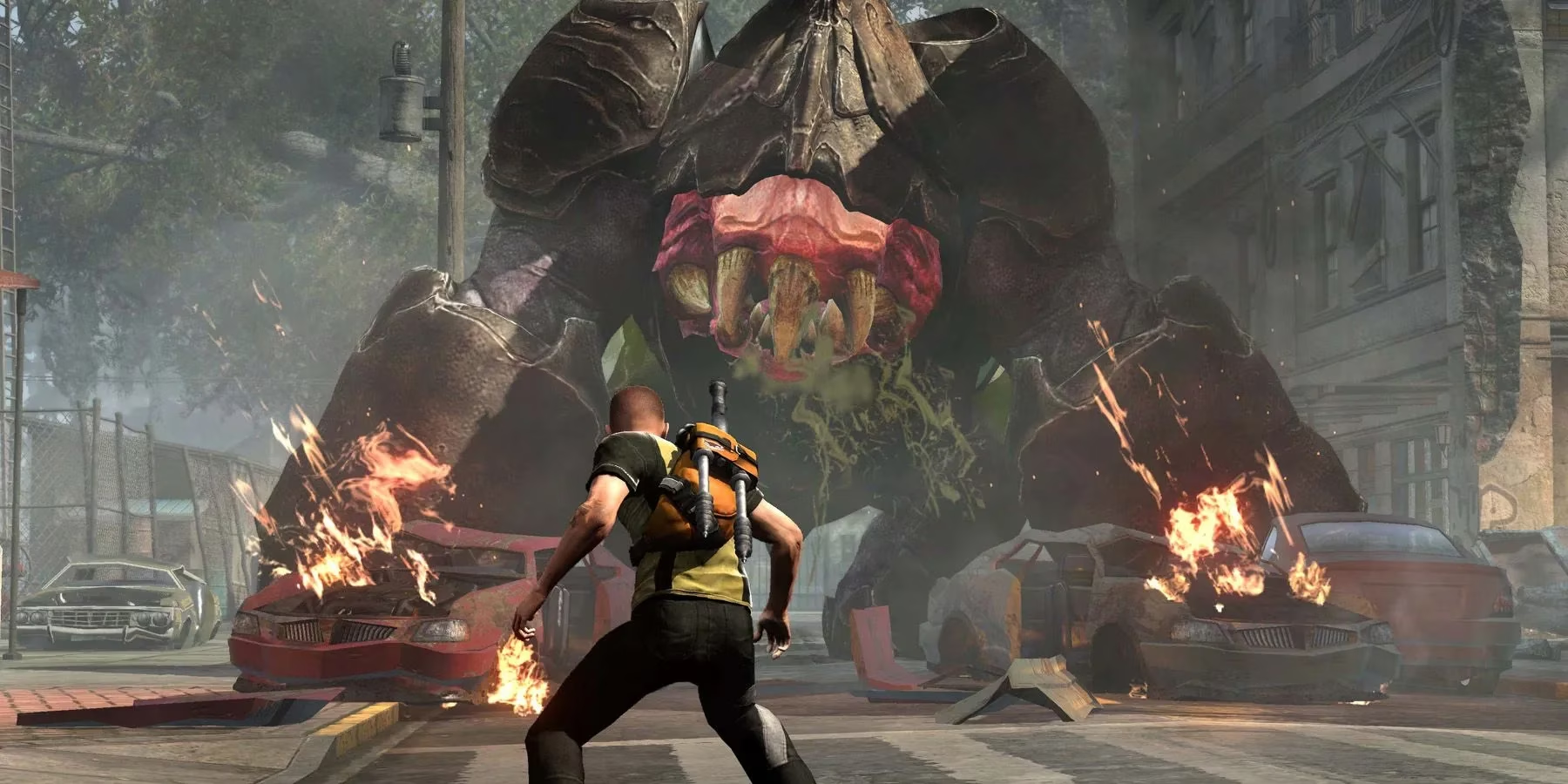
InFamous 2 might feel like a blast from the past, but hear me out. Back in 2011, this superhero open-world already let players design and share missions via PlayStation Network. I remember spending hours in New Marais not just zapping enemies, but building obstacle courses and silly mini-games with Cole’s electric powers. The really cool part? Some creations were full-blown homages to other series, complete with custom boss fights. There was no traditional co-op, yet the UGC system gave it a lively online heartbeat. Looking back, InFamous 2 was ahead of its time – a game where fan-made content felt like an official expansion.
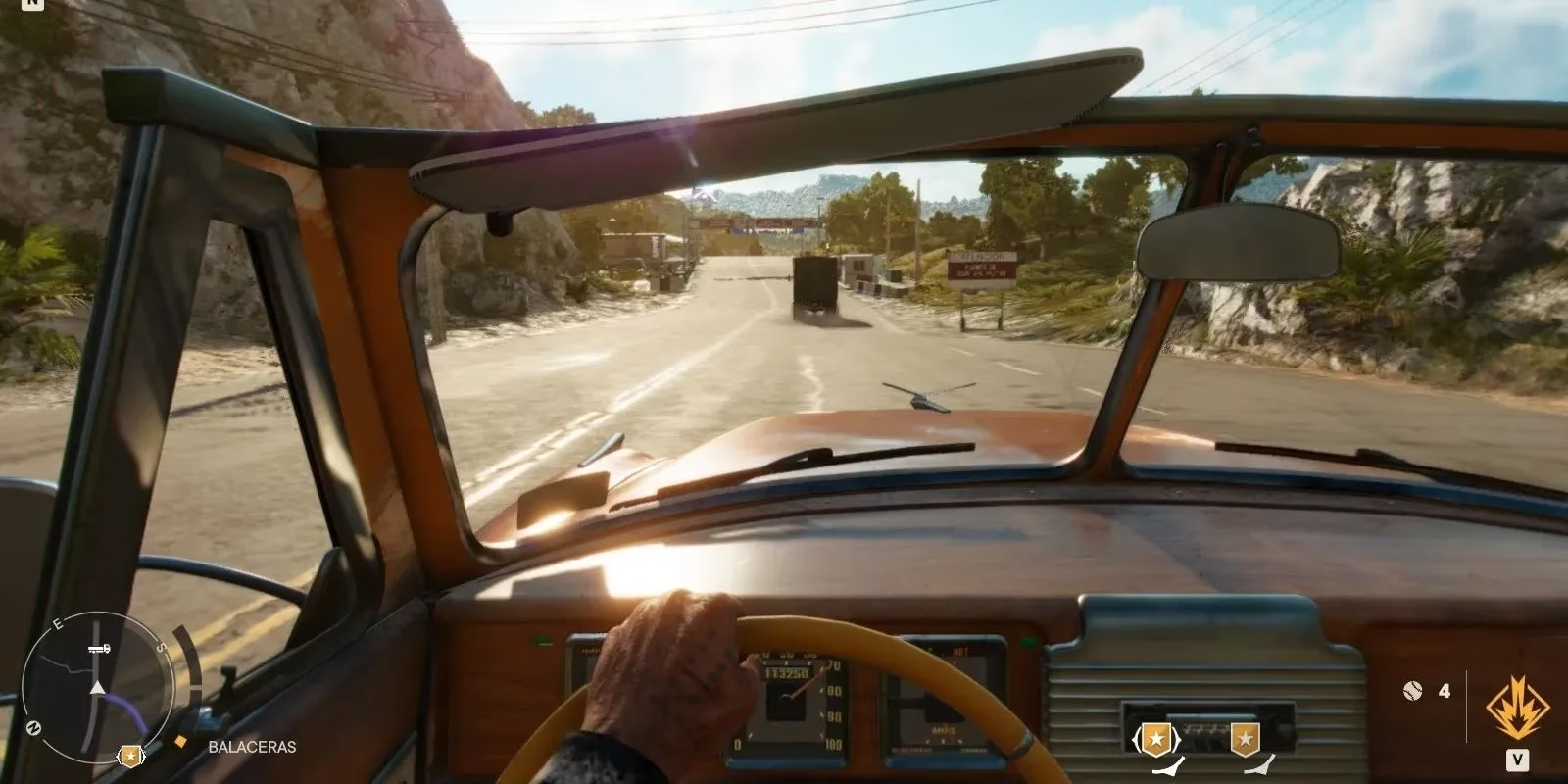
Far Cry 5 surprised me most with its map editor. When I wasn’t liberating outposts with my furry companion Cheeseburger, I was knee-deep in the Arcade mode, building ridiculous death races and stealth arenas. Ubisoft let the map maker pull assets not just from Far Cry 5, but from Watch Dogs, Assassin’s Creed IV: Black Flag, and older Far Cry titles. So one minute I’m crafting a pirate-themed shootout, the next I’m hacking security cameras mid-fight – all within the same user-made level. It’s not an infinite open world per map, but the sheer variety of creations I’ve played with friends kept this game alive on my hard drive long after the main story ended.
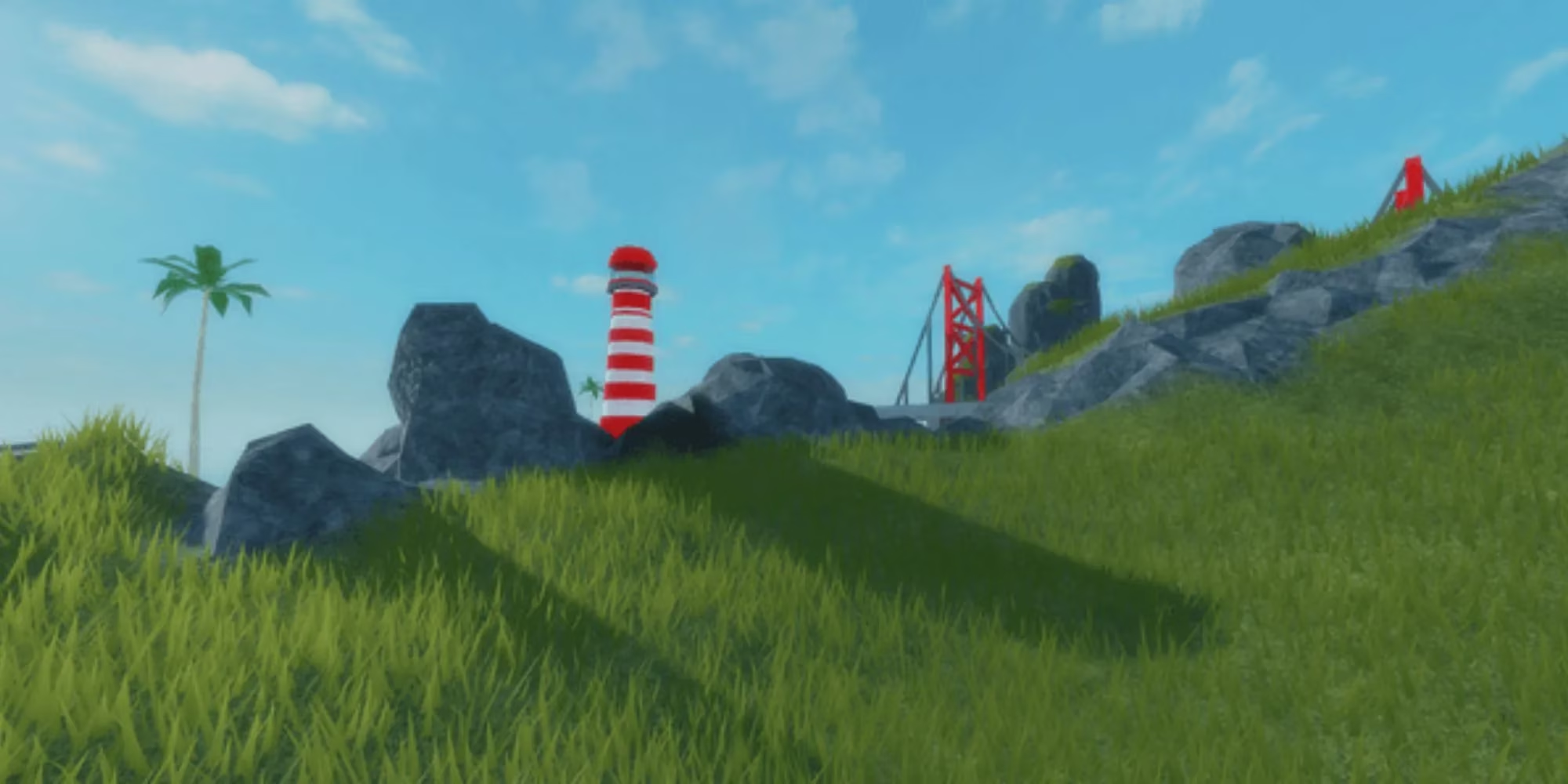
Then there’s Roblox, which I’ll argue is the ultimate UGC powerhouse. Calling it an open-world game is a bit of a stretch, but the millions of experiences inside it definitely include sprawling open worlds built entirely by users. My younger cousin once dragged me into a massive RPG adventure that rivaled some AAA titles in scope and storytelling. The genius of Roblox is that the whole platform is the game – every world, every avatar item, every script is made by someone like you or me. For kids growing up in 2026, it’s not just a game; it’s a creative engine that teaches them how to design, code, and share worlds with a global audience.
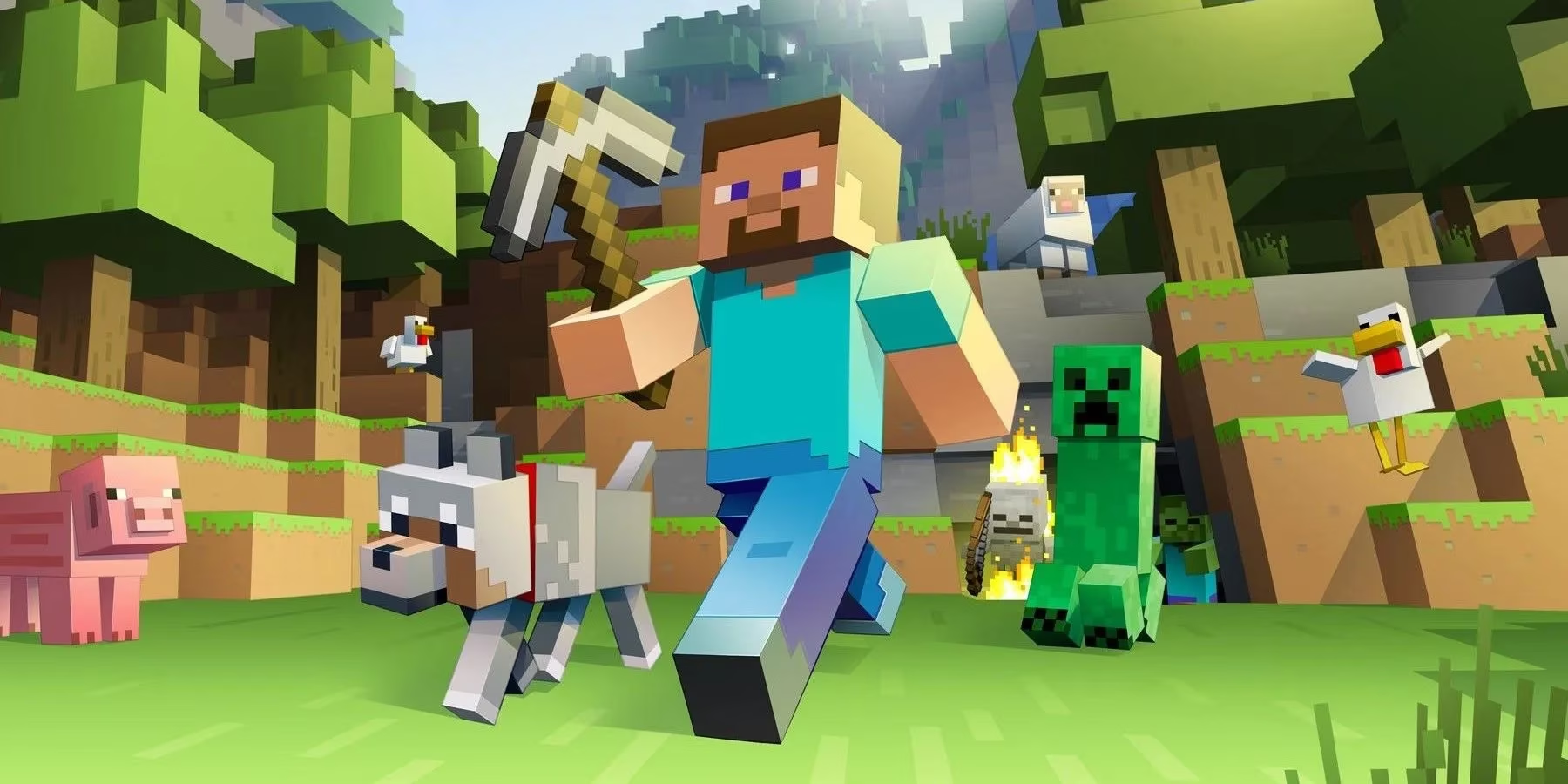
Minecraft needs no introduction. I’ve lost entire weekends to this blocky universe, and I’m not alone – it’s one of the best-selling games ever for a reason. Survival mode challenges you to carve out a life from scratch, while Creative mode hands you an infinite Lego set. But what keeps Minecraft fresh in 2026 is the modding and the custom maps. You can turn the game into a hardcore dungeon crawler, a peaceful farming simulator, or even a functional computer (yes, really). Every time I think I’ve seen it all, the community uploads something that makes my jaw drop. The open world is literally yours to reshape, and that freedom is why I’ll probably be building dirt houses on my retirement day.
So why does all this matter? Because when a game lets me create, it stops being a product and starts being a hobby. These six titles understood that the best open world isn’t the one developers hand us – it’s the one we help build. In 2026, as games get more cinematic and controlled, I find myself gravitating back to these experiences. They remind me that the real magic of open worlds isn’t just size; it’s the blank canvas.
Comments Area